
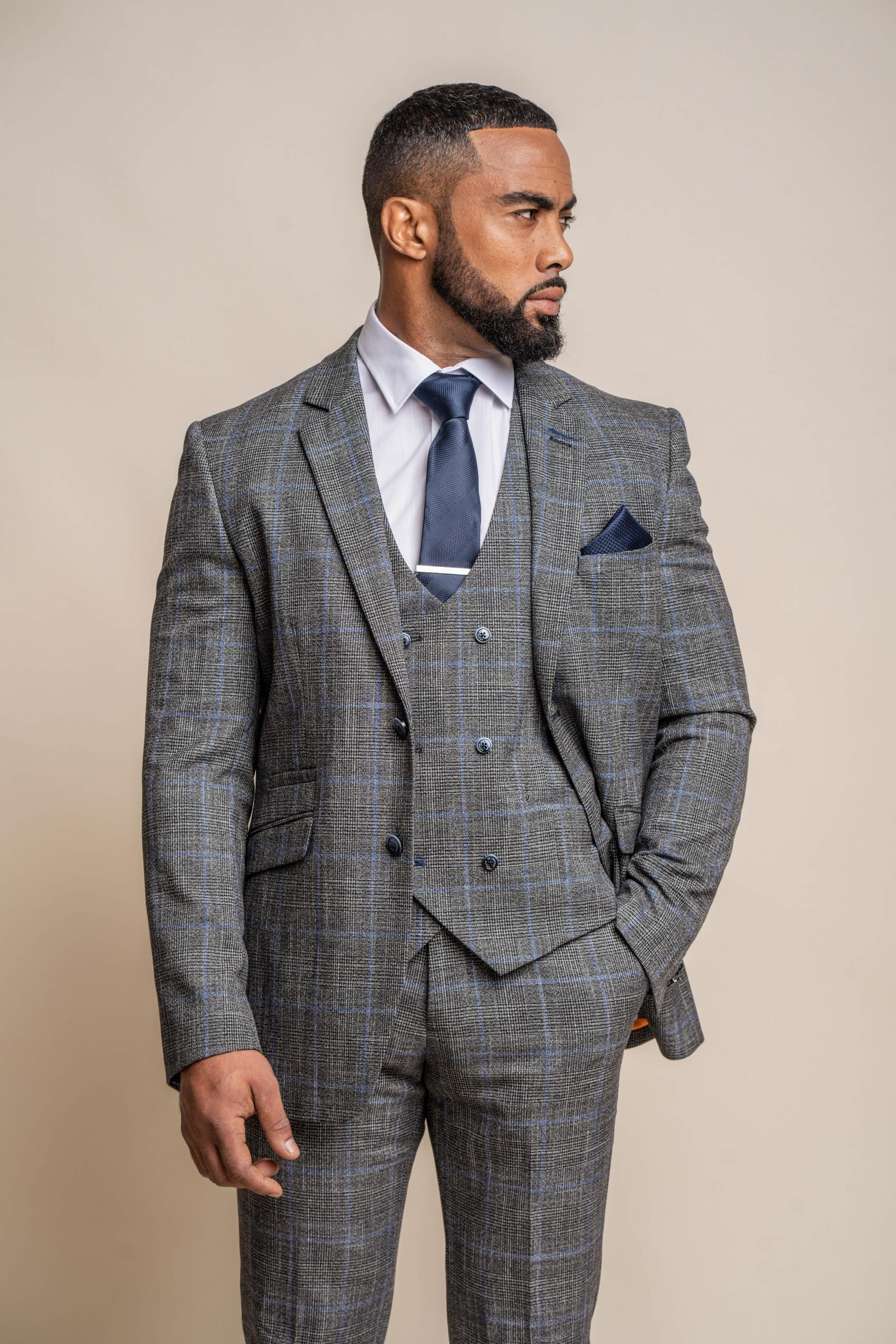
Article: Business Suits for Men: How to Choose the Right Fit and Colour

Business Suits for Men: How to Choose the Right Fit and Colour
A good suit should make getting dressed for work easier, not more complicated. Whether you are attending an interview, presenting to a client or spending the day in the office, the right tailoring gives you a professional appearance without leaving you uncomfortable by lunchtime. The most useful business suits are not necessarily the most expensive or the most fashionable; they are the ones that fit properly, suit your workplace and work with clothes you already own.
If you are buying your first suit or replacing one that has seen better days, start with three decisions: how it fits, which colour you will wear most often and how formal your working environment is. This guide explains what to look for in business suits for men, from the cut of the jacket to the finishing details that make an outfit feel complete.
- 1. What Makes a Suit Suitable for Business?
- 2. How Should a Business Suit Fit?
- 3. The Best Colours for Men's Business Suits
- 4. Two-Piece or Three-Piece: Which Is Better for Work?
- 5. Fabric Matters When You Wear a Suit All Day
- 6. How to Style Business Suits for Different Work Occasions
- 7. How to Make a Business Suit Last Longer
- 8. Frequently Asked Questions
- 9. Find Your Next Business Suit at SIRRI
What Makes a Suit Suitable for Business?
Most business suits consist of a matching jacket and trousers, usually in a restrained colour or subtle pattern. A two-piece is the most flexible option for everyday officewear, while a three-piece adds a matching waistcoat and a slightly more dressed-up appearance. Neither style is automatically the right choice for every job: a corporate law office may expect traditional tailoring, whereas a creative workplace may be comfortable with softer jackets and open collars.
Look at the dress code before you shop. If formal clothing is required throughout the week, a versatile navy or charcoal suit is a sensible foundation. If you only need tailoring for interviews, conferences or occasional meetings, one well-chosen outfit may be enough. You can explore SIRRI's men's business suits to compare colours and styles before deciding what suits your routine.
How Should a Business Suit Fit?

Start With the Jacket
The shoulder seam should sit close to the natural end of your shoulder, without hanging over it or forming a ridge. The collar should rest against your shirt, while the chest should lie smoothly when the jacket is fastened. Some shaping through the waist is desirable, but an obvious X-shaped pull around the button usually means the jacket is too tight. Check that you can move your arms comfortably and that the sleeves reveal a little shirt cuff rather than covering your hands.
Shoulders are difficult to alter substantially, so prioritise getting them right at purchase. Sleeve length and modest waist adjustments are often easier for a tailor to address.
Check the Trousers and Waistcoat
Trousers should sit securely at the waist without needing a tightly pulled belt. The fabric should fall neatly through the seat and thighs, allowing you to sit comfortably without excessive strain. A slight break where the hem meets the shoe is a traditional business choice, although a cleaner, shorter finish can look equally smart when the proportions are balanced. If you wear a waistcoat, it should close without pulling and cover the trouser waistband when you stand.
Choose a Cut That Works for You
Slim fit suits follow the body more closely, particularly through the jacket waist and trouser leg, while tailored fit suits generally allow a little more room without losing their shape. Regular fit provides a more traditional amount of space. These labels vary between manufacturers, so judge the actual garment rather than its description. SIRRI's slim fit suits and tailored fit suits are useful starting points if you want to compare the two approaches.
The Best Colours for Men's Business Suits
Colour determines how easily business suits fit into your working wardrobe. For most men, navy and charcoal offer more flexibility than black because they pair naturally with a wide choice of shirts, ties and shoes. Medium grey is another dependable option, particularly if your workplace has a slightly less formal dress code. Before choosing a more distinctive shade, think about how often you will wear it and whether it works for meetings outside your usual office.
Navy: The Everyday All-Rounder
Navy business suits are hard to beat for versatility. They work for interviews, presentations and ordinary office days, and the same suit can look different with a white shirt and navy tie than it does with pale blue and a patterned tie. Black shoes create a conservative finish; dark brown can look equally professional in many workplaces. If you are choosing your first suit for work, navy is a strong candidate.
Charcoal and Grey: Understated and Adaptable
Charcoal has a restrained, traditional appearance that suits formal meetings and conservative workplaces. Medium grey feels slightly lighter but remains professional, especially with white or blue shirts and darker accessories. Light grey can work well for daytime events or warmer months, though it is worth considering whether it looks too relaxed for your office. A subtle pinstripe or small check can introduce interest once you have the basics covered.
What About Black, Brown or Brighter Colours?
A plain black suit can be appropriate for certain roles, ceremonies and formal occasions, but it is not automatically the safest everyday business choice. Navy and charcoal generally blend more easily into conventional office wardrobes. Brown, green and bolder blues can work in creative industries or less formal settings, but they are usually better as additional options than as your only suit. Choose the colour that suits your workplace first, then consider personal preference and complexion.


Two-Piece or Three-Piece: Which Is Better for Work?
Two-piece business suits are normally the easiest choice for everyday officewear. You can wear the jacket and trousers together for important meetings, then remove the jacket while working at your desk without managing an extra layer. They also give you more flexibility in warmer offices or on busy commuting days. The combination is classic rather than plain when the fit is good and the shirt and shoes are well chosen.
Three-piece business suits have a more traditional feel because of the waistcoat. They can be especially effective for client-facing roles, formal presentations or workplaces where a dressed-up appearance is part of the culture. The waistcoat also helps an outfit look considered after the jacket comes off, although it may be warmer than you want in a heated office. If that style appeals to you, browse men's three-piece suits and pay close attention to the waistcoat length and fit.
Fabric Matters When You Wear a Suit All Day
The fabrics used for business suits need to look good and perform well throughout the working day. Wool and wool-blend cloths are popular because they drape well and come in different weights, from lighter options to more substantial winter tailoring. Some blended fabrics can be easy to care for and useful for regular wear, but quality varies, so check the actual composition and care instructions rather than assuming all blends behave alike.
If you commute on public transport, spend long hours seated or work in a warm office, consider weight and breathability as well as appearance. Heavier tweed or textured fabric can make sense during colder months, while lighter cloth may be preferable in summer. The best business suits for frequent use balance a neat shape with enough comfort for a full working day, not merely the first few minutes in a fitting room.
How to Style Business Suits for Different Work Occasions
For a job interview, your priority is to look prepared rather than memorable for the wrong reasons. A navy or charcoal suit with a white or pale-blue shirt, understated tie and polished leather shoes is a dependable combination in traditional professional settings. Research the employer beforehand, though, because a formal suit is not required in every industry. If the company is business casual, a jacket and tailored trousers may be more appropriate than a full three-piece.
For client meetings and presentations, keep the colours coordinated and accessories restrained. A patterned tie can add character to a plain suit, but combining a checked jacket, striped shirt and bold tie usually creates more visual noise than you need. For everyday officewear, you can often wear the same tailoring with different shirts and ties, while an open collar may work where the dress code allows it. A small, well-planned rotation of business suits generally offers more value than several occasional outfits that are difficult to mix with the rest of your wardrobe.
Shirts, Ties and Shoes That Work
A crisp shirt makes a noticeable difference to the finished outfit. White is the most versatile option, while light blue provides a softer contrast with navy and grey suits. Look for a collar that sits neatly and sleeves that allow a little cuff to show beneath the jacket. SIRRI's men's formal shirts include classic choices suitable for interviews, office days and formal meetings.
When accessorising business suits, choose ties in restrained colours such as navy, burgundy and grey, with small patterns or subtle texture if you want variety. A coordinated tie and pocket square set can help bring an outfit together, although the pieces need not be an exact match. Black Oxfords are a traditional choice for conservative settings; dark-brown Derbies or Oxfords pair particularly well with navy and medium grey. Whatever you choose, clean shoes and a sensible trouser length matter more than extra accessories.


How to Make a Business Suit Last Longer
If you wear tailoring several days a week, rotating between suits helps give the fabric time to recover between wears. Hang the jacket on a shaped hanger, empty the pockets and brush away surface dust or lint when appropriate. Allow the suit to air before storing it, especially after commuting or wearing it for a full day. Light creases can often be addressed with careful steaming, provided the care label permits it.
Dry cleaning is useful when necessary, but it should not be an automatic response to every wear. Follow the garment's instructions, deal with stains promptly and avoid excessive heat or pressing directly onto delicate fabric. A little routine care will help business suits keep their shape and make them a more dependable part of your wardrobe.
Frequently Asked Questions
What is the best colour business suit for an interview?
Navy and charcoal are reliable choices for traditional interviews because they look professional and work with simple white or pale-blue shirts. The employer's dress code should still guide your decision; a less formal workplace may call for something more relaxed.
Are slim fit business suits professional?
Yes, provided they fit properly. A slim fit should follow the body without straining at the jacket button or restricting movement through the thighs and shoulders. A tailored or regular fit can look just as polished and may be more comfortable for long office days.
Can I wear a business suit without a tie?
In many modern workplaces, yes. A well-fitting suit and open-collar shirt can look smart where business-casual dressing is accepted, but a tie remains appropriate for formal interviews, presentations and conservative professional environments.
Is a black suit suitable for business?
It can be, but black is not the default choice for every workplace. Navy and charcoal are often more flexible for daily officewear, while black may be better suited to particularly formal duties or other occasions. An ordinary black suit is not the same as a tuxedo required for black-tie events.
Find Your Next Business Suit at SIRRI
The most useful business suits combine a fit that feels natural, a colour that belongs in your working environment and fabric you can wear comfortably through the day. Start with navy or charcoal if versatility matters most, then add a second style or pattern when you know what your routine requires. Good tailoring should make dressing professionally feel straightforward, not complicated.
Explore the full SIRRI business suits collection to compare classic office colours, slim and tailored cuts, and smart two-piece or three-piece options for interviews, meetings and everyday work.
For more styling tips and exclusive updates,
follow us on TikTok and Instagram
@sirriuk

